
The Ultimate Cryolipolysis Temperature Control Guide: Science, Safety, and Sculpting Results

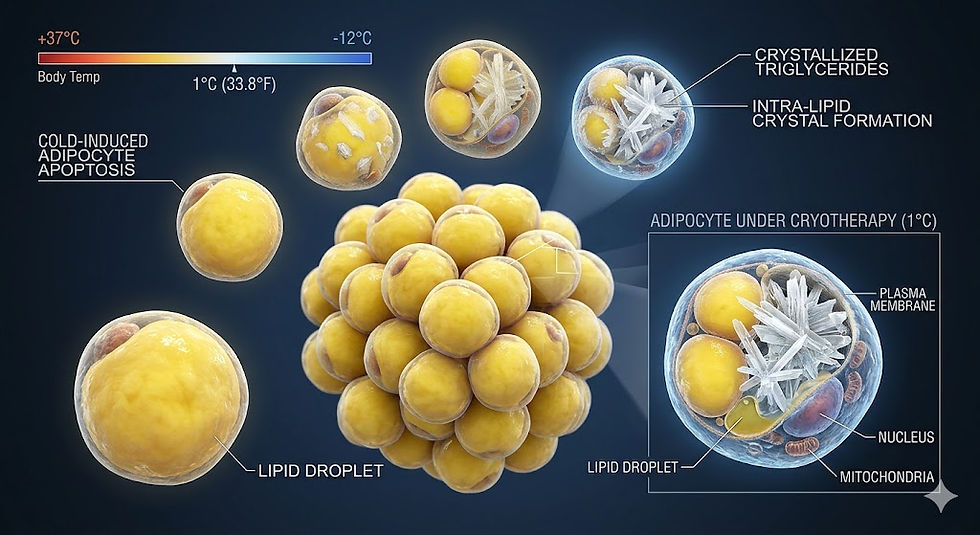
The quest for a contoured physique has evolved from invasive surgeries to the precision of "fat freezing." Cryolipolysis, popularly known as "CoolSculpting" or "Cryo Sculpting," is more than just applying cold to the skin; it is a highly calibrated biological intervention. As clinics in 2026 strive for better results, this Cryolipolysis Temperature Control Guide explains why precision is the only way to achieve consistent, safe fat reduction.
1. The Biological Trigger: Why -5°C to -11°C is the "Magic Window"
As noted in clinical studies, cryolipolysis relies on Apoptosis—programmed cell death. Fat cells are significantly more vulnerable to cold than the surrounding skin and nerve tissues.
The 20-25% Reduction: When the target area is maintained within the specific temperature range of -5°C to -11°C, the body triggers a natural inflammatory response. Over the following 2 to 4 months, the treated fat cells are crystallized and then naturally metabolized by the lymphatic system.
Permanent Results: Unlike weight loss, which only shrinks fat cells, cryolipolysis actually eliminates them. Once these cells are processed out of the body, they are gone for good, provided a healthy lifestyle is maintained.
2. Advanced Safety Protocols: A Cryolipolysis Temperature Control Guide for Practitioners
The greatest risk in non-invasive fat reduction is "thermal injury" or frostbite. A professional-grade Cryolipolysis Temperature Control Guide must emphasize the safety mechanisms that prevent these complications.
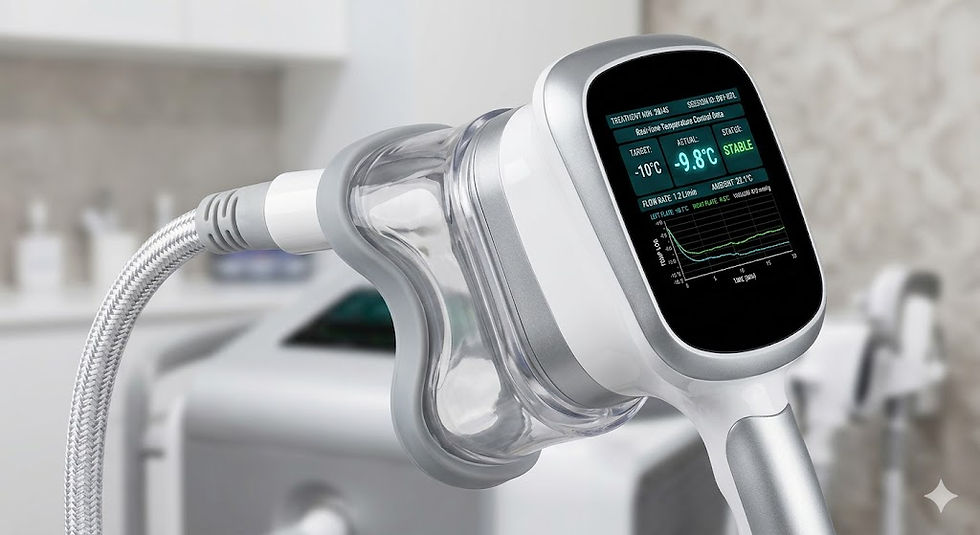
Real-Time Thermal Sensing
Top-tier devices in 2026 do not just set a timer; they use active sensors to monitor the interface between the applicator and the patient's skin.
Constant Feedback: If the skin temperature fluctuates outside of the safe parameters, the system must adjust in real-time.
Anti-Freeze Protection: The use of high-quality anti-freeze membranes is non-negotiable. These membranes act as a thermal buffer, ensuring the cold penetrates the subcutaneous fat layer while keeping the epidermis (surface skin) safe from ice crystal formation.
3. The Patient Experience: What to Expect During and After
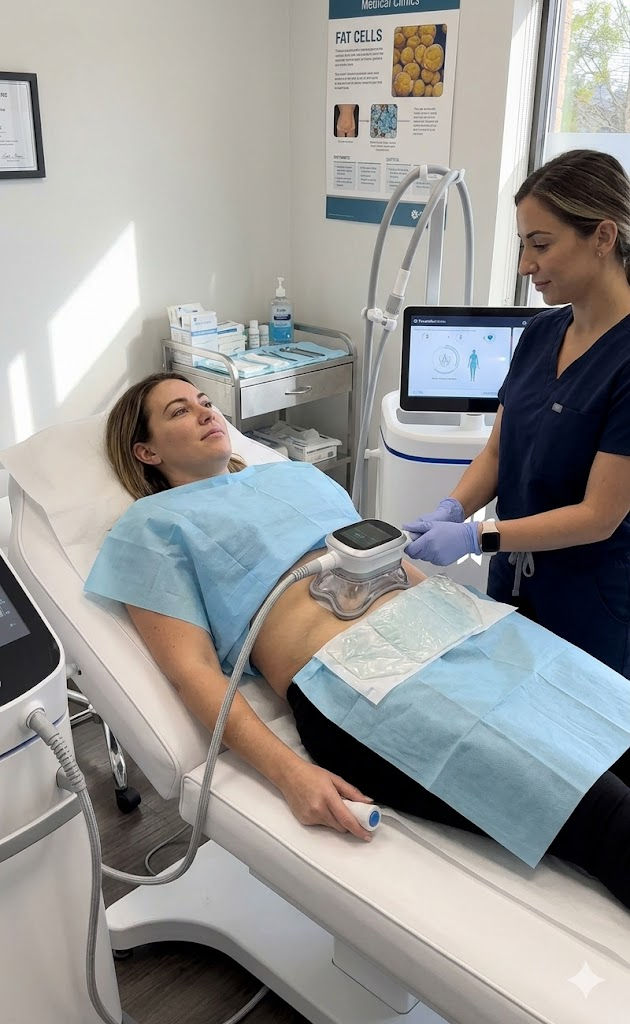
Drawing from clinical experience, the treatment is widely regarded as comfortable, but it involves several distinct phases:
The Initial Chill: For the first 5 to 10 minutes, patients feel an intense cold and a "pulling" sensation from the vacuum applicator.
Numbness: As the temperature drops to the controlled target, the area becomes numb. Patients can then relax, read, or work on their laptops.
The "Butter Stick" & Massage: Immediately after the applicator is removed, the treated area will look like a firm "butter stick." A 2-minute manual massage is then performed, which can increase the fat reduction effectiveness by up to 68% by further breaking down the frozen cells.
4. Identifying High-Performance Technology
In 2026, the market is flooded with devices. To ensure you are choosing a machine that follows the Cryolipolysis Temperature Control Guide standards, look for:
360° Surround Cooling: Modern applicators cool the entire cup, not just two side plates, leading to more uniform results.
FDA or CE Certification: Ensure the device has undergone rigorous third-party safety testing.
Customizable Vacuum Levels: This allows for personalized treatments on different body parts—from the chin (submental) to the abdomen and thighs.
Frequently Asked Questions (FAQ)
Q1: Is the treatment painful?
A: Most patients describe the sensation as a strong tugging and intense cold during the first few minutes. Once the area goes numb, the discomfort fades. There is no anesthesia required, and you can return to normal activities immediately after.
Q2: How many sessions are needed to see results?
A: While some patients see changes after a single visit, most clinical protocols recommend 2 to 3 sessions per area to achieve the optimal 20-25% fat reduction. Results typically begin to appear at 4 weeks and peak at the 3-month mark.
Q3: Who is the ideal candidate for cryolipolysis?
A: This is a fat reduction treatment, not a weight loss solution. The ideal candidate is someone within 10-15 kg of their target weight who has stubborn "pockets" of fat (like love handles or bra fat) that are resistant to diet and exercise.
Q4: Are there any side effects?
A: Common side effects include temporary redness, swelling, blanching, or bruising at the treatment site. Some patients may feel a tingling or "pins and needles" sensation for a week or two, which is a normal sign of the nerves recovering from the cold.
Conclusion: Accuracy Equals ROI
Safety is the cornerstone of a successful aesthetic practice. By adhering to the standards in this Cryolipolysis Temperature Control Guide, clinics can offer a "zero-downtime" solution that delivers on its promises. When you control the temperature, you control the results.
[CTA: Discover our latest 360° cooling technology. Watch the Temperature Stability Lab Test Video here.]


